

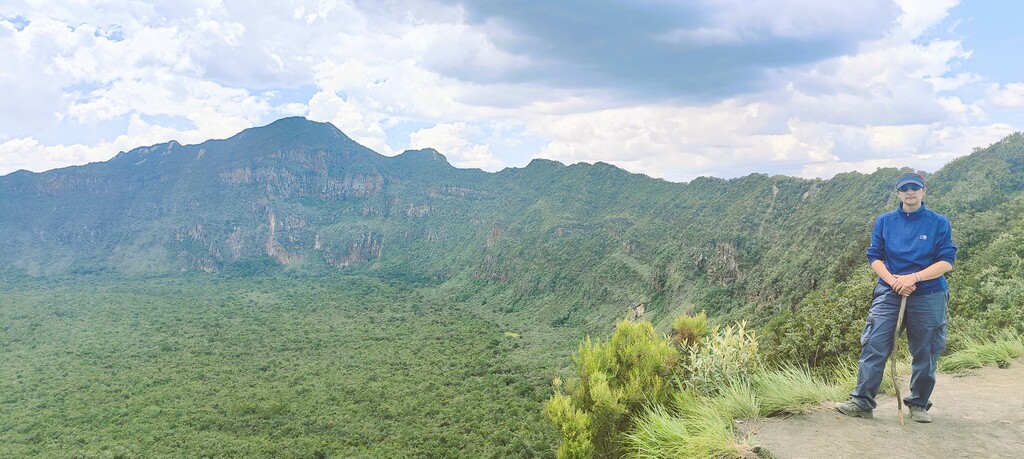
Climbing Mount Kenya (or any mountain, for that matter) is a physically demanding endeavour that requires a minimum preparation of 2-3 months before your climb. Here’s a simple yet effective approach to get you ready for the adventure:
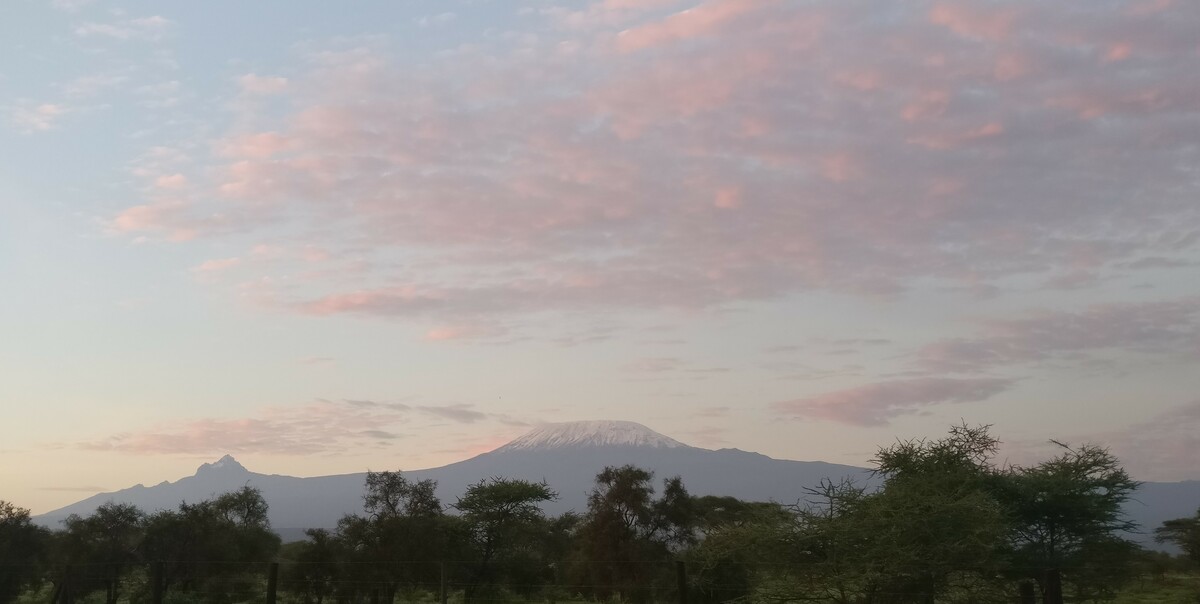
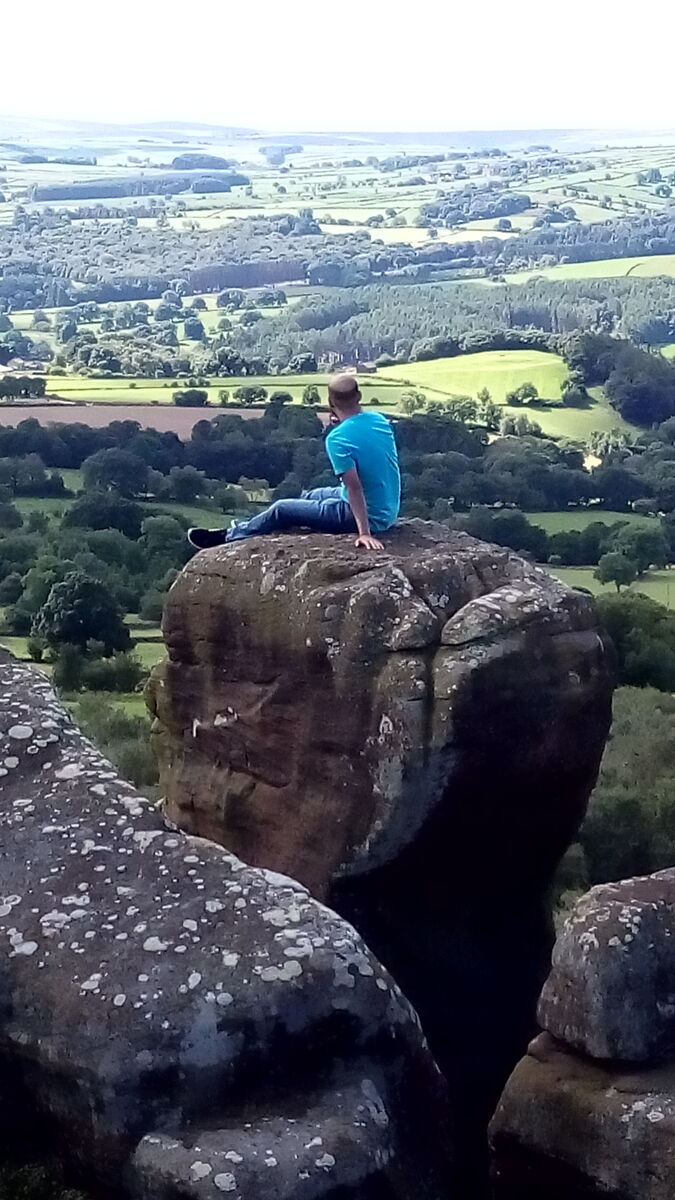
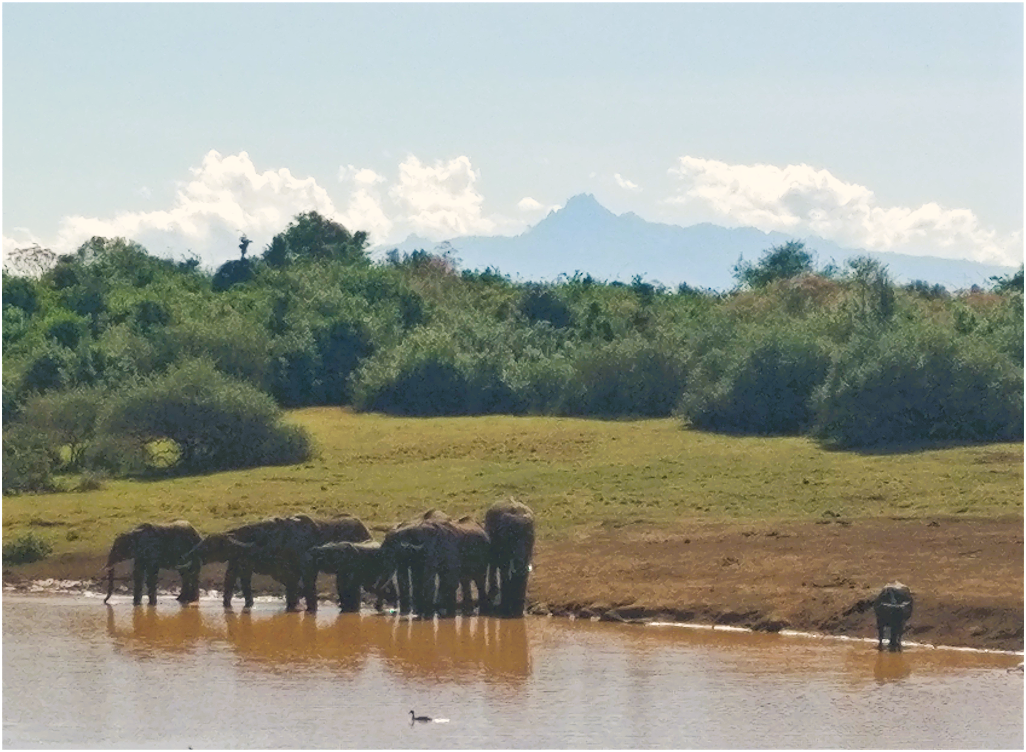
It is highly recommended to consult a professional trainer or doctor if you have any underlying health or fitness concerns before starting the training.
Start with lighter activities, then gradually increase the intensity, duration and altitude peaking about 2-3 weeks before the climb and in the final week use it for rest and recovery.
Build cardio fitness and endurance – hiking, running or jogging, cycling, swimming and stair climbing.
Strength training – leg strength, core strength and upper body.
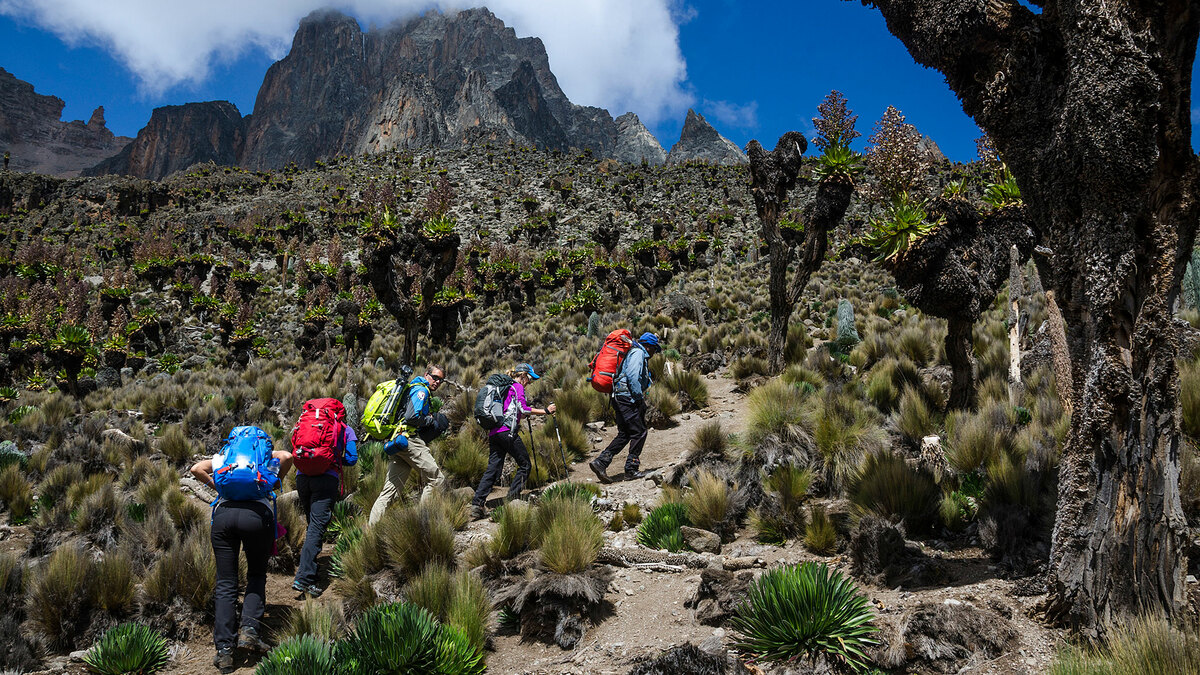
Practice with a backpack – start with a light load and gradually increase the weight to get accustomed to carrying your gear.
Altitude training – hill training or hiking at higher elevation so the body can adapt to lower oxygen levels.
Flexibility, recovery and rest – stretch regularly to improve flexibility. Take rest days to allow your muscles to recover, rebuild and prevent injuries.
Hydration and Diet – Eat a nutritionally balanced diet to fuel the training and stay hydrated.
Practice trek – simulate treks with similar terrain with ascents and descents that mimic a mountain.
For a packing guide checklist (equipment, clothing, footwear, and essential items) feel free to reach out.
With the right preparation, you’ll not only conquer Mount Kenya but also enjoy the incredible experience to its fullest!

